Back to Patterns
bullish Signal
Cup and Handle
The cup and handle is a powerful bullish continuation pattern made famous by William O'Neil. The "cup" is a rounded U-shaped base representing a period of consolidation, followed by a small downward drift (the "handle") before a decisive breakout to new highs.
How to Trade
Buy when the price breaks out above the handle's upper resistance line with a significant increase in volume. The profit target is typically the depth of the cup projected upward from the breakout point.
Market Psychology
The rounded cup shows a gradual, healthy transition from distribution to accumulation — smart money is quietly building positions. The handle is a final shakeout of weak hands before the main institutional-driven rally begins. The breakout represents the moment the smart money is done accumulating.
Technical Diagram
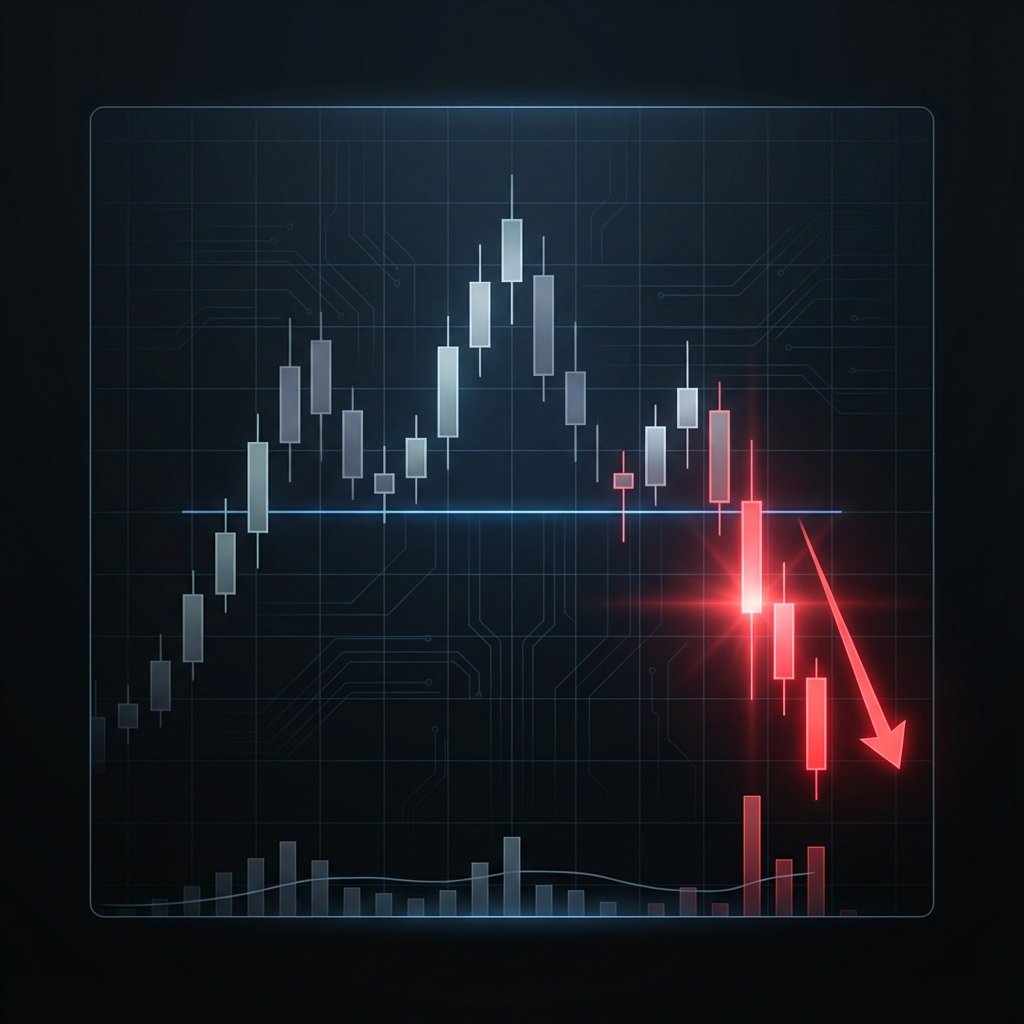
This visual represents the ideal candle formation and breakout points for the Cup and Handle pattern.
Key Characteristics
Rounded U-shaped cup — not a sharp V-shape — showing a gradual price recovery over weeks or months
Both sides of the cup should reach approximately the same price level (the prior highs)
The handle forms on the right side of the cup and should not retrace more than 50% of the cup's depth
Volume typically dries up at the bottom of the cup and during the handle formation
The breakout above the handle resistance on strong volume is the entry trigger
Trading the Cup and Handle
Entry Signals
Enter long on a confirmed candle close above the upper resistance of the handle on volume that is at least 1.5–2x the 50-day average. This breakout point is called the "pivot point" in O'Neil's CANSLIM methodology. Position sizing should account for the distance to the stop below the handle.
Risk Management
Place the stop loss just below the lowest point of the handle, or below the mid-point of the cup for longer-term trades. Risk 1–2% of capital per trade. If price re-enters the handle after breaking out, it is a warning sign. If it falls back into the cup, the pattern is considered failed.
Profit Targets
The standard target is the depth of the cup (measured from the rim to the bottom) projected upward from the breakout point. Longer-duration cups (6+ months on daily charts) that form during significant market corrections often produce the largest post-breakout moves — sometimes 50–100%+ in strong bull markets.
Timeframes
Most powerful on daily and weekly charts, where the cup can span weeks to months. Very short-term cups (less than 7 weeks) are considered less reliable. Weekly chart patterns are particularly favoured by growth investors following the CANSLIM approach. Intraday versions exist but carry less statistical weight.
Volume Context
Volume should be lighter during the cup formation (particularly at the bottom) and during the handle. Heavy volume on the breakout — ideally the highest daily volume in months — is the critical confirmation signal. O'Neil specifically required volume to be at least 50% above average on the breakout day for a proper CANSLIM entry.
Historical Success Rate
Cup and handle patterns have a historically strong track record, with success rates reported between 61% and 68% based on Thomas Bulkowski's research on daily charts. Patterns that form over longer timeframes (12+ weeks) and break out in a rising market tend to perform best. William O'Neil's research on growth stocks found even higher success rates within strong market uptrends.
Common Mistakes to Avoid
Buying a V-shaped cup instead of a rounded U — V-shaped bases don't allow sufficient time for proper accumulation
Entering before the handle forms — the handle shakeout is important for setting up a clean breakout
Ignoring the handle's depth — a handle that retraces more than 50% of the cup suggests institutional selling, not accumulation
Buying a cup that forms in a downtrending broader market — context matters; cups are most effective in bull markets
Missing the volume confirmation on the breakout — this is the single most important confirming signal
Cup and Handle — Frequently Asked Questions
What is a cup and handle pattern?
A cup and handle is a bullish continuation pattern with two parts: a rounded U-shaped base (the cup) followed by a smaller downward consolidation (the handle). When price breaks above the handle resistance on strong volume, it signals the continuation of the prior uptrend.
How long does a cup and handle take to form?
The cup portion typically takes 7 to 65 weeks to form on a daily chart, with most patterns taking 3–6 months. The handle usually takes 1–4 weeks. Shorter patterns (under 7 weeks) are considered less reliable. The pattern can form over years on a weekly chart.
What is the price target for a cup and handle?
Measure the depth of the cup from the rim (the prior highs) to the bottom, then project that distance upward from the breakout point. A cup that is $10 deep breaking out at $50 has a target of $60.
Who invented the cup and handle pattern?
The cup and handle pattern was popularized by investor William O'Neil in his 1988 book "How to Make Money in Stocks." It is a core component of his CANSLIM growth stock investment methodology and remains one of the most widely used bullish base patterns in growth investing.